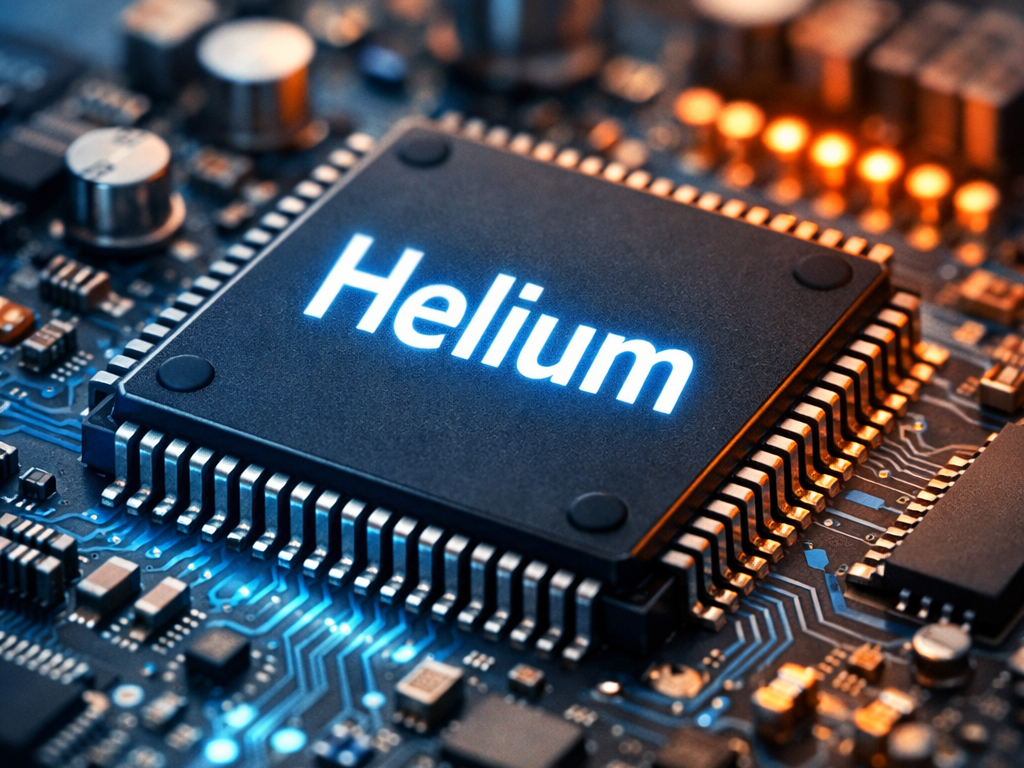
In 2026, a largely invisible element—helium—has emerged as a critical bottleneck in global electronics manufacturing. While often associated with balloons, helium plays an indispensable role in semiconductor production, and its sudden shortage is now threatening supply chains across industries, from smartphones to AI infrastructure.


Introduction
Recent geopolitical tensions have exposed how fragile the electronics manufacturing ecosystem truly is. The current helium shortage is a reminder that even highly advanced industries depend on specialized raw materials and tightly synchronized global logistics. In semiconductor manufacturing, where precision, purity, and process stability are essential, helium is not optional—it is strategic.
Why Helium Matters in Semiconductor Manufacturing
Helium is essential in multiple stages of chip fabrication. Its unique properties—especially its inertness and extremely high thermal conductivity—make it difficult to replace in advanced manufacturing environments.
Key semiconductor uses of helium
- Cooling semiconductor equipment and wafers
- Leak detection in ultra-clean production environments
- Supporting advanced lithography and process stability
- Maintaining controlled conditions in high-precision fabrication steps
Because semiconductor manufacturing requires extremely reliable and contamination-free conditions, even a shortfall in helium supply can interrupt production schedules and reduce operational efficiency.
The Root Cause: A Geopolitical Supply Shock
The current helium shortage is not only the result of higher demand. It is primarily a supply-side shock intensified by geopolitical instability. Since helium is commonly recovered as a byproduct of natural gas processing, disruptions in energy infrastructure can directly affect helium output and distribution.
When production facilities slow down, logistics corridors become unstable, or shipping routes face delays, the semiconductor industry feels the impact almost immediately. This makes helium a classic supply chain choke point: a small-volume material with outsized strategic importance.
Immediate Impact on Electronics Manufacturing
The Domino Effect Across Industries
The helium shortage is not confined to semiconductor fabs. Its impact spreads across the broader technology ecosystem because chips are foundational inputs for many industries.
AI and Data Centers
AI accelerators and advanced processors depend on highly specialized semiconductor manufacturing processes, making the AI infrastructure boom especially vulnerable to upstream material shortages.
Consumer Electronics
Smartphones, laptops, memory products, and networking equipment can face delays and higher component costs when semiconductor output tightens.
Automotive and EVs
Electric vehicles and advanced driver-assistance systems depend on reliable semiconductor supply, so any upstream disruption can affect production planning and delivery timelines.

Why This Crisis Is Different from Past Chip Shortages
Unlike demand-driven semiconductor shortages, the helium crisis is rooted in the constrained availability of a critical production input. Manufacturers cannot simply increase output when a specialized raw material is missing from the chain.
Past Shortages
Often driven by demand spikes, forecasting errors, or temporary production bottlenecks.
Helium Crisis
A raw material and logistics problem that directly limits the ability to sustain manufacturing processes.
Industry Response: Adaptation and Mitigation
In response, manufacturers and industrial gas suppliers are exploring several mitigation strategies. These include diversifying sourcing, improving storage resilience, and investing in helium recycling systems where technically feasible.
Still, these measures are mostly short- to mid-term responses. The broader lesson is that electronics manufacturing must treat critical materials with the same strategic seriousness as advanced machinery, chip design, and fabrication capacity.
Conclusion
The helium shortage of 2026 reveals a fundamental truth about modern electronics manufacturing: even the most advanced technologies depend on fragile, often overlooked resources.
As AI demand accelerates and chip production becomes more complex, dependence on rare and specialized inputs like helium will only increase. Without structural changes in supply chains, logistics resilience, and resource management, similar disruptions may become more frequent in the years ahead.
Image Credits
- Semiconductor fabrication cleanroom image — Credit: Representative industry visual
- Industrial helium storage image — Credit: Representative industry visual
- AI data center servers image — Credit: Representative industry visual